ATSC 3.0 NextGen TV in 2026: What Antenna Users Need
ATSC 3.0 promises free 4K HDR over the air, but a DRM fight and a looming ATSC 1.0 sunset make 2026 a confusing year for cord-cutters.

If you cut cable and watch local channels with an antenna, 2026 is the year the ground starts shifting under you. The broadcast standard called ATSC 3.0, marketed as NextGen TV, is finally moving from a curiosity into a transition the FCC is actively planning. It promises free over-the-air 4K, HDR, and Dolby Atmos. It also brings a digital rights management fight and the eventual end of the older signal your current antenna setup almost certainly relies on.
Quick answer
ATSC 3.0, marketed as NextGen TV, delivers free over-the-air 4K HDR and Dolby Atmos, but it is not backwards compatible, so you need a TV or tuner box that decodes it. Your existing antenna still works. The catch in 2026 is DRM encryption, some stations lock or downgrade recordings, plus a looming ATSC 1.0 shutoff that broadcasters want done in big markets by 2028. For most antenna users the honest call right now is to wait unless a channel you love already runs NextGen TV in 4K.
Key takeaways
- ATSC 3.0 (NextGen TV) delivers 4K HDR video, Dolby Atmos audio, and interactive features over a regular antenna, for free.
- It is not backwards compatible: you need a TV with a built-in ATSC 3.0 tuner or an external tuner box to receive it.
- You do not need a new antenna. The same UHF/VHF antenna that pulls in today's channels works for ATSC 3.0.
- The older ATSC 1.0 standard must be simulcast through at least July 17, 2027, with broadcasters pushing for a full shutoff in big markets by 2028 and everywhere by 2030.
- A DRM encryption dispute is the real headache, some stations lock recordings, cap quality, or block playback on non-certified gear.
What ATSC 3.0 actually gives you
ATSC 3.0 is the first major overhaul of U.S. over-the-air broadcasting in two decades. Stations began rolling it out in 2019, and channels now reach more than 90 U.S. markets. The upgrades are genuinely meaningful for antenna viewers:
- 4K resolution with HDR, where broadcasters choose to transmit it
- Dolby Atmos immersive audio and clearer dialog enhancement
- Better reception in fringe and mobile situations thanks to a more robust modulation scheme
- Interactive overlays and on-demand-style features delivered alongside the live signal
In other words, the technology rivals streaming quality without a monthly bill or a buffering wheel. That is the promise. The execution is where it gets messy.
Here is how NextGen TV stacks up against the old standard and against paid streaming:
| Feature | ATSC 1.0 (today) | ATSC 3.0 (NextGen TV) | 4K streaming service |
|---|---|---|---|
| Max resolution | 1080i | 4K with HDR | 4K with HDR |
| Audio | Dolby Digital 5.1 | Dolby Atmos | Dolby Atmos |
| Monthly cost | Free | Free | $10 to $20+ |
| Needs internet | No | No (signal); some features yes | Yes |
| Copy protection | None | DRM possible | Always DRM |
| Hardware needed | Any modern TV | NextGen tuner or box | App and subscription |
You don't need a new antenna, you need a new tuner
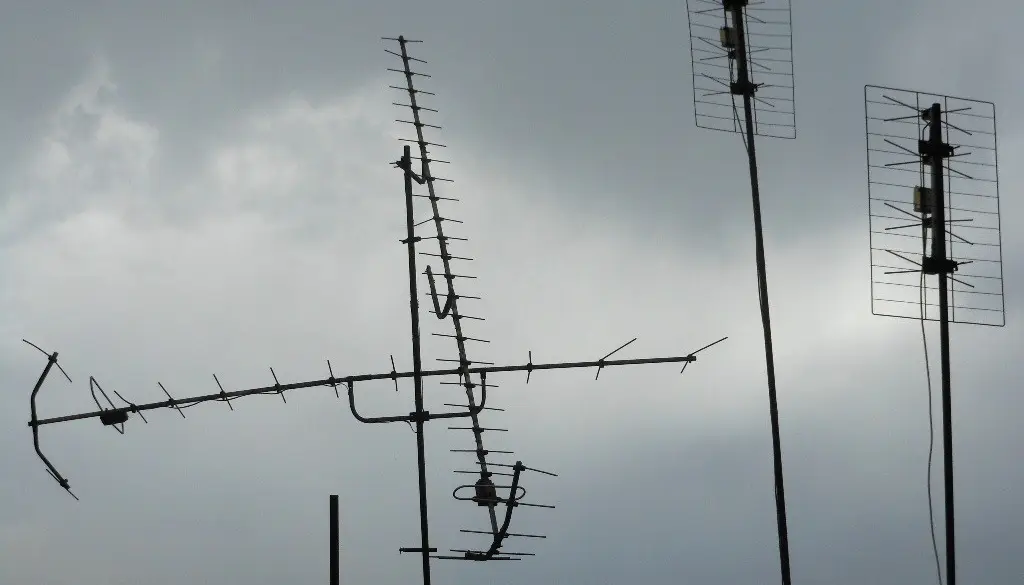
This trips up almost everyone. ATSC 3.0 uses the same TV frequencies as today's broadcasts, so your existing antenna keeps working. What changes is the decoder. ATSC 3.0 is not backwards compatible with the ATSC 1.0 tuner inside older TVs.
To watch NextGen TV you need one of:
- A TV with a built-in ATSC 3.0 tuner (look for the "NextGen TV" logo when shopping)
- A standalone ATSC 3.0 tuner box that connects your existing antenna to any TV
Note
Most TVs sold before about 2020, and plenty of budget models since, ship only with an ATSC 1.0 tuner. If your set predates the NextGen TV badge, an external tuner box is the cheaper upgrade path than replacing the whole television.
The DRM fight is the part to watch
Here is the genuine controversy. Some broadcasters wrap their ATSC 3.0 signals in Digital Rights Management (DRM) encryption. When a station encrypts, your tuner has to be certified to decrypt it, and DRM can:
- Block playback on tuners and TVs that are not on the approved list
- Set an expiration date on recordings you make
- Prevent copying a recording to another device
- Lower the resolution of what you are allowed to keep
The result has been broken setups: a NextGen TV tuner that simply refuses to show an encrypted channel. The standards body behind ATSC has told the FCC that the standard does not require encryption, and that stations are not obligated to scramble their signals. But some choose to anyway, and that mismatch is the source of most consumer frustration in 2026. The FCC is now weighing whether to set rules around it.
The ATSC 1.0 sunset clock
The other moving piece is the eventual shutdown of the old standard. Under current FCC rules, any broadcaster offering ATSC 3.0 must keep simulcasting "substantially similar" programming in ATSC 1.0 through at least July 17, 2027. Industry groups have petitioned to go further: ending ATSC 1.0 in the 55 largest markets by 2028 and nationwide by 2030.
If that happens and you still own only an ATSC 1.0 TV, those local channels go dark unless you have upgraded your tuner.
Warning
The transition is real but the timeline is not locked. The FCC has only released draft rules, and dates could shift. Do not panic-buy a tuner in 2026, but if you rely on antenna TV, know that an upgrade is coming and budget for it.
Should you upgrade now?
For most antenna users the honest answer in mid-2026 is: not yet, unless a station you love already broadcasts in ATSC 3.0 and you want the 4K. The DRM situation is unsettled, the ATSC 1.0 shutoff is years away, and tuner certification is still maturing. Watch for two signals: your local stations launching NextGen TV channels, and the FCC finalizing its DRM and sunset rules.
If you are buying a new TV anyway, choosing one with a NextGen TV tuner costs little extra and future-proofs you. If you are happy with your current set, you can comfortably wait. For comparison with the streaming alternative, our guide to the best streaming devices of 2026 covers the subscription side of cord-cutting, and the smart TV ad-bloat and dumb TV options piece is worth reading before any new TV purchase.
To make the wait-or-upgrade call without overthinking it, match your situation:
| Your situation | Do this in 2026 |
|---|---|
| Happy with current ATSC 1.0 channels | Wait. The 1.0 signal runs through at least July 2027 |
| Buying a new TV anyway | Pick one with a NextGen TV tuner, it costs little extra |
| A favorite local station already in 4K NextGen | Consider a tuner box now to get the 4K |
| Weak reception is your main pain | Fix the antenna first, not the tuner |
| You record a lot of OTA TV | Wait for the DRM rules to settle before investing |
What to do right now
You do not need to spend money today. Do this instead:
- Visit the FCC or a NextGen TV station finder and check whether your locals broadcast in ATSC 3.0 yet.
- Look up your current TV's spec sheet for an "ATSC 3.0" or "NextGen TV" tuner before assuming you need anything.
- If reception is your real problem, improve the antenna first with our OTA antenna reception guide.
- If you are shopping for a TV anyway, filter for the NextGen TV badge and buy that.
- Hold off on a standalone tuner box unless a channel you actually watch is already 4K and unencrypted.
Frequently asked questions
Do I need a new antenna for ATSC 3.0?
No. ATSC 3.0 broadcasts on the same UHF and VHF frequencies as today's channels, so the antenna pulling in your current local stations will receive NextGen TV signals just fine. What you need is a TV or tuner box that can decode ATSC 3.0.
Why won't some NextGen TV channels play on my tuner?
Almost always because the station encrypts its signal with DRM, and your tuner is not certified to decrypt it. Encryption is a broadcaster's choice, not a requirement of the standard, but when a station uses it, only approved devices can display the channel.
When will old ATSC 1.0 broadcasts shut off?
Broadcasters must simulcast in ATSC 1.0 through at least July 17, 2027 under current rules. Industry petitions seek a full shutdown in the largest 55 markets by 2028 and nationwide by 2030, but the FCC has not finalized those dates.
Is ATSC 3.0 really free 4K TV?
Yes, where broadcasters transmit in 4K it is genuinely free over the air with the right tuner. Not every station sends 4K, and DRM can limit what you record, but there is no subscription for the live signal itself.
Sources & further reading
- pcworld.com/article/2956574/atsc-3-0-is-coming-tv-antenna-users-should-prepare-for-chaos.html
- tvtechnology.com/news/fcc-releases-draft-of-npr-for-nextgen-tv-rules-atsc-1-0-sunset
- antennaland.com/what-is-nextgen-tv-should-you-try-it/
- antennaland.com/how-digital-rights-management-drm-works-on-nextgen-tv/